
Bedwetting Pants for Older Children: Support That Feels Age-Appropriate
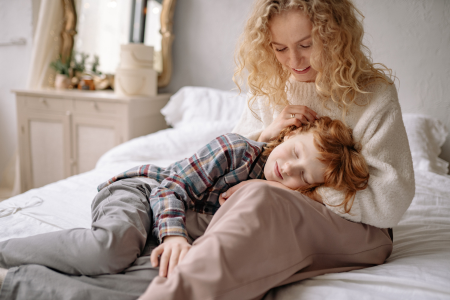 When a child is little, bedwetting is often brushed off as “just one of those things.” But when they are older, it can feel very different. Sleepovers start to matter. School trips become a bigger deal. Privacy matters more. And something that might once have been mildly inconvenient can start to affect confidence, independence and the whole family’s routine. NICE says bedwetting can have a deep impact on a child or young person’s behaviour, emotional wellbeing and social life, and it can be very stressful for parents and carers too. (https://www.nice.org.uk/guidance/cg111/chapter/Introduction)
It is also much more common than many families realise.
ERIC, the Children’s Bowel & Bladder Charity, says bedwetting affects
around half a million children in the UK aged 5 to 16, and around 1 in 75
teenagers still wet the bed (https://eric.org.uk/news/world-bedwetting-day/).
Bedwetting does usually become less common with age, but it does not always
disappear as quickly as people assume.
That is why older children often need support that feels less “babyish” and more respectful. The goal is not just to protect the mattress. It is to help your child go to bed feeling comfortable, secure and understood.
Why older children need a different kind of support
An older child usually wants two things at once: protection and dignity. They do not want to feel like they are wearing something designed for toddlers. They want bedtime products that feel closer to normal underwear, fit properly under pyjamas, and let them get on with being a child without the whole household revolving around wet sheets.
This matters because shame can grow quietly. Bladder & Bowel UK notes that bedwetting can be particularly distressing for older children and teenagers, leading to embarrassment, isolation, avoidance of sleepovers and school trips, and problems with self-esteem and confidence.(https://www.bbuk.org.uk/bedwetting-children-teenagers/)
Age-appropriate support means thinking beyond absorbency alone. It means choosing bedwetting pants that look and feel more grown-up, are easy to manage independently, and help your child feel protected without feeling singled out.
What “age-appropriate” bedwetting pants really means
For older children, the best bedwetting pants are usually the ones that do their job quietly. They should feel soft, secure and comfortable, without adding bulk or making a child feel self-conscious.
A good pair of nighttime pants for an older child should aim for:
· an underwear-style fit rather than a nappy-like feel
· enough absorbency for overnight reassurance
· soft, breathable materials that are comfortable against the skin
· a shape that sits neatly under nightwear
· easy pull-on, pull-off use for growing independence
· a look that feels suitable for an older child, not a much younger one
That “grown-up enough” feeling matters more than many adults first realise. If a child feels awkward about what they are wearing, they are less likely to relax at bedtime, less likely to feel confident packing for a trip away, and more likely to see bedwetting as something shameful instead of simply something they need support with.
Why nighttime pants can make such a difference
Nighttime pants are not about pretending bedwetting is not happening. They are about lowering the emotional temperature around it.
For many families, the biggest benefit is not just less washing. It is fewer bedtime arguments, fewer middle-of-the-night disruptions, less panic about staying somewhere else, and less fear that an accident will be “discovered” by siblings or friends. That can be especially valuable for older children who are becoming more socially aware and more protective of their privacy.
Practical support is recognised in national guidance too. NICE recommends giving children and families advice on practical ways to reduce the impact of bedwetting, including bed protection and washable products, alongside wider assessment and support.
What parents should look for before buying
Not every pair of children’s incontinence pants will feel right for an older child. A product can be technically effective and still be wrong if it feels too juvenile, too bulky or too obvious.
When choosing bedwetting pants, it helps to think about:
Fit
A poor fit can mean leaks, bunching or discomfort. Older children are often
between “little child” and “teen” sizing, so a secure but not tight fit
matters.
Absorbency
Some children need light reassurance for occasional accidents. Others need more
dependable overnight protection. Matching absorbency to the child’s actual
pattern is often more helpful than simply choosing the thickest option.
Comfort
If nighttime pants feel scratchy, hot or restrictive, children are less likely
to accept them. Comfort matters because the aim is peaceful sleep, not a
nightly battle.
Discretion
Older children often care a lot about how products look and sound. Pants that
resemble regular underwear and do not feel conspicuous can help preserve
confidence.
Ease of care
For busy families, washable products can be a practical choice. They can help
reduce the pile-up of disposable waste, but just as importantly, they can make
the routine feel calmer and more normal.
A gentle truth parents often need to hear
Bedwetting is not your child’s fault. It is not laziness. It is not bad habits. And punishing, shaming or repeatedly “telling them to try harder” is not the answer. NICE says children and young people should be told that bedwetting is not their fault and that punitive measures should not be used. The NHS also advises against punishing a child for bedwetting, because it can make things worse.
There can be real physical reasons behind bedwetting. NHS guidance says it may happen because a child does not feel the need to wee while asleep, makes too much urine at night, or is affected by stress; it can also be linked to conditions such as constipation or diabetes. (https://www.bbuk.org.uk/bedwetting-children-teenagers/) Bladder & Bowel UK says about half of children with bedwetting also have constipation, which can make treatment less effective if it is not addressed. (https://www.bbuk.org.uk/what-are-the-myths-and-what-are-the-facts-about-bedwetting/)
When to get extra help
Supportive nighttime pants can make nights easier, but they are not a substitute for proper assessment when it is needed.
NICE says children over 5 should not be excluded from support because of age alone, and ERIC says all children still bedwetting over 5 should have a bladder and bowel assessment by a healthcare professional. The NHS advises seeing a GP if you have tried things at home and your child keeps wetting the bed, or if they start wetting the bed again after being dry for more than six months.
That is particularly important for older children, because persistent bedwetting is not as rare as many people think. A NICE-linked UK source reports that 2–3% of 12 to 14-year-olds and 1–2% of people aged 15 and over wet the bed twice a week on average. (https://cks.nice.org.uk/topics/bedwetting-enuresis/background-information/prevalence/)
The bigger picture: protection is also emotional
Sometimes the most helpful product is the one that lets a child feel ordinary again.
The right bedwetting pants can help an older child go to sleep without dread, wake up with less embarrassment, and feel more able to say yes to trips, parties and nights away from home. They can also help parents respond with calm instead of exhaustion.
That is what age-appropriate support really means. Not making a fuss. Not making a child feel younger than they are. Just giving them reliable, respectful protection that fits this stage of life a little better.
For older children, that can make a world of difference.

More News:
- Incontinence Bed Sheets Explained
- Bedwetting Pants for Older Children: Support That Feels Age-Appropriate
- Incontinence Pants for Men: What to Know Before You Buy
- Making the Right Choice for Incontinence Products Without the Confusion
- The Women's Confidence at Work Incontinence Checklist
- Dementia & Nighttime Accidents: Bedroom Setups That Preserve Dignity
- Children's Waterproof Pants for School and Day Trips
- Toolbelts, Taxi Runs, and 12-Hour Shifts
- Postpartum, Menopause, and Beyond: Washable Incontinence Pants for Heavy Leakage
- Incontinence Pants for Women: The Confidence Checklist
- Incontinence Bed Sheets After Prostate Surgery
- Choosing the Right Children's Nighttime Pants and Daytime Solutions
- How to Choose the Right Incontinence Supplies for Men Over 50
- Christmas Confidence
- Real Women, Real Stories: Living Confidently with Washable Incontinence Pants
- A Real-Life Guide to Incontinence Bed Sheets & Washable Bed Pads
- The Environmental Benefits of Reusable Bedwetting Pants for Kids
- Men's Washable Incontinence Pants for Everyday Confidence: A User's Guide
- Top Features to Look for in Washable Incontinence Pants for Women
- 5 Mistakes to Avoid When Washing Your Reusable Incontinence Bed Pads
- The Best Bedwetting Pants for Children: What Parents Need to Know
- Male Washable Incontinence Pants vs. Disposable: Which Is Better?
- The Best Incontinence Pants for Women
- The Complete Guide to Washable Bed Pads & Incontinence Products
- How to Talk to Your Child About Incontinence: Supportive Parenting Strategies
- Incontinence Supplies for Men: What You Actually Need
- Washable Incontinence Pants for Women: A Comfortable, Eco-Friendly Solution
- Children's Incontinence Pants: How They Help Kids Stay Dry and Confident
- Why More Men Are Switching to Washable Incontinence Pads and Pants
- Managing Incontinence as a Woman: Tips for Travel, Work, and Home Life
- The Best Washable Incontinence Pants in the UK
- Real Stories from Families Using Children's Nighttime Pants
- Caring for a Loved One? A Carer's Guide to Incontinence Supplies for Men
- Why Ladies Washable Incontinence Pants Are Better for the Planet
- Understanding Why Older Children Still Wet the Bed and What You Can Do About It
- Travelling with Incontinence: Best Washable Incontinence Pants for Men on the Go
- Your Guide to Washable Incontinence Pants for Ladies: FAQs Answered
- The Benefits of Switching to Washable Incontinence Products
- 8 Everyday Activities That Can Strengthen or Weaken Your Bladder
- 10 Things You Should Pack in an Incontinence Emergency Kit
- 10 Foods to Eat and Avoid for Better Bowel Control
- 8 Ways Stress and Anxiety Can Affect Bladder Health
- 10 Signs It's Time to See a Doctor About Your Urinary Incontinence
- 10 Tips for Talking to Your Child About Bedwetting
- 10 Things You Should Know About Postpartum Incontinence
- 10 Common Triggers of Urinary Incontinence in Women Over 50
- 10 Tips for Night-Time Incontinence Management in Adults
- 10 Ways to Manage Incontinence While Playing Sports
- Your Incontinence Options: Finding the Right Solution for You
- 10 Tips for Managing Faecal Incontinence in Adults
- 10 Lifestyle Changes to Manage Urinary Incontinence Symptoms
- 10 Ways to Manage Urinary Incontinence During Pregnancy
- 10 Causes of Urinary Incontinence in Men and How to Treat Them
- 10 Practical Solutions for Coping with Incontinence at Work
- 10 Myths About Menopause and Incontinence You Should Stop Believing
- 10 Foods to Avoid to Prevent Bladder Irritation and Incontinence
- 10 Effective Pelvic Floor Exercises for Urinary Incontinence
- 10 Common Causes of Bedwetting in Children and How to Address Them
- Causes of Faecal Incontinence
- Breaking the Silence: Managing Incontinence with Confidence
- Supporting Loved Ones with Incontinence: A Caregiver's Guide
- Top 10 Tips for Managing Incontinence Comfortably This Christmas
- Pregnancy and Postpartum Incontinence: Prevention and Recovery
- 10 Random Facts About Pee You Probably Didn't Know
- Diet and Bladder Health: Foods That Help and Hurt
- Helping Your Child Manage Incontinence: A Parent's Resource
- The Most Common Bladder Control Problems and How to Manage Them
- 10 Things That Can Make Incontinence Worse
- Incontinence Myths vs Facts - Dispelling Common Misconceptions
- Top 10 tips to help with bladder control during pregnancy
- 10 Effective Ways to Stop Bladder Leaks & Manage Incontinence
- P&S Washable Face Mask with ViralOff
- New Product For Men - The Slip Brief
- New Monthly Protection Briefs For Women
- New Product - The OooPS Pant for Stress Incontinence
- New Adult Inco-elite Range Launched
- EMDA WOMEN OF WORTH AWARD 2009
- New Website Launched
- New Website Under Development